
The Boring Project
// An AI-powered project showcase platform built with Next.js, Supabase, and Gemini AI.
The Problem
Why_Software?
Developers struggle to create compelling project showcases that effectively communicate both the visual appeal and technical depth of their work. Traditional portfolio sites require manual content creation, lack AI assistance for generating descriptions or explaining code, and don't provide real-time collaboration features. Additionally, managing project data, user authentication, and file storage across multiple services adds complexity. I needed a unified platform that handles authentication, database operations, file storage, and AI integration seamlessly while maintaining a clean, modular architecture.
System Design
Architecture && Flow
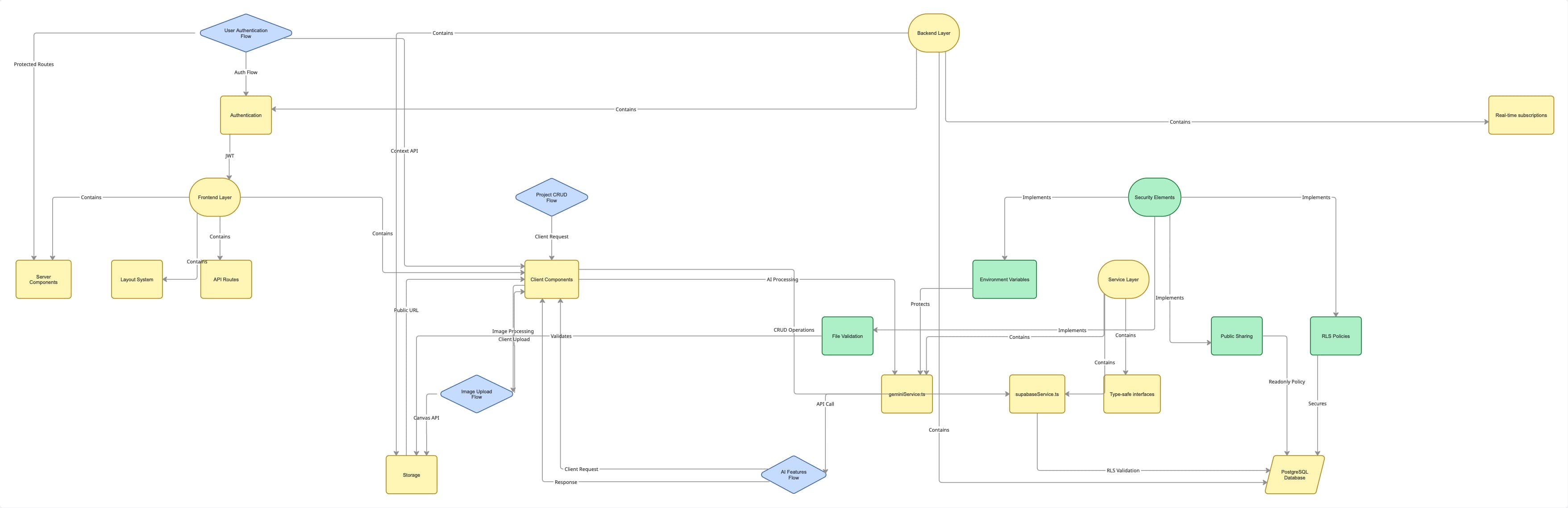
The application utilizes a robust three-tier architecture: a Next.js Frontend with distinct Client/Server components, a type-safe Service Layer abstracting Supabase and Gemini interactions, and a Supabase Backend handling Auth, Postgres (RLS), and Storage. Data flows securely from Auth contexts to protected routes, while Row Level Security ensures data isolation and controlled public sharing.
Implementation Details
Service Layer Pattern with Type Safety
// The supabaseService abstracts all database operations behind a clean interface. Type mapping between database snake_case columns and TypeScript camelCase properties ensures type safety while maintaining database conventions. RLS policies are enforced at the database level, not application level.
// services/supabaseService.ts
export const supabaseService = {
  async getProjects(): Promise<Project[]> {
    const { data: { user } } = await supabase.auth.getUser();
    if (!user) return [];

    // ... Supabase select & mapping logic
    return (data || []).map((row: any) => ({
      id: row.id,
      projectName: row.project_name,  // snake_case → camelCase
      description: row.description,
      // ... type-safe mapping
    }));
  }
}
AI Integration with Model Selection
// Different Gemini models are used based on task complexity. Flash (fast, cheap) for simple tasks like language detection, Pro (slower, smarter) for code explanation requiring deeper understanding.
// services/geminiService.ts
 export const explainCode = async (code: string, language: string) => {
   const response = await ai.models.generateContent({
     model: 'gemini-2.5-pro',
     contents: `Explain the following ${language} code...`
   });
   return response.text;
};Trade-offs
Consequences()
Supabase vs. Custom Backend
Using Supabase limits customization compared to a custom Node.js/Python backend. RLS is less flexible than app-level auth.
Chose Supabase for speed and built-in features (auth, storage, real-time).
Client-Side Image Processing
Processing images client-side reduces server load but increases bundle size and requires modern browser APIs.
Chosen for better UX (instant preview) and cost savings.
AI Model Selection
Flash is fast/cheap but less accurate; Pro is smart but slow/expensive.
Hybrid approach: Flash for high-frequency, Pro for quality-critical.
Public Project Sharing
Public read access requires careful RLS policy design.
Prioritized UX; RLS write operations remain protected.
Operating the Project Showcase
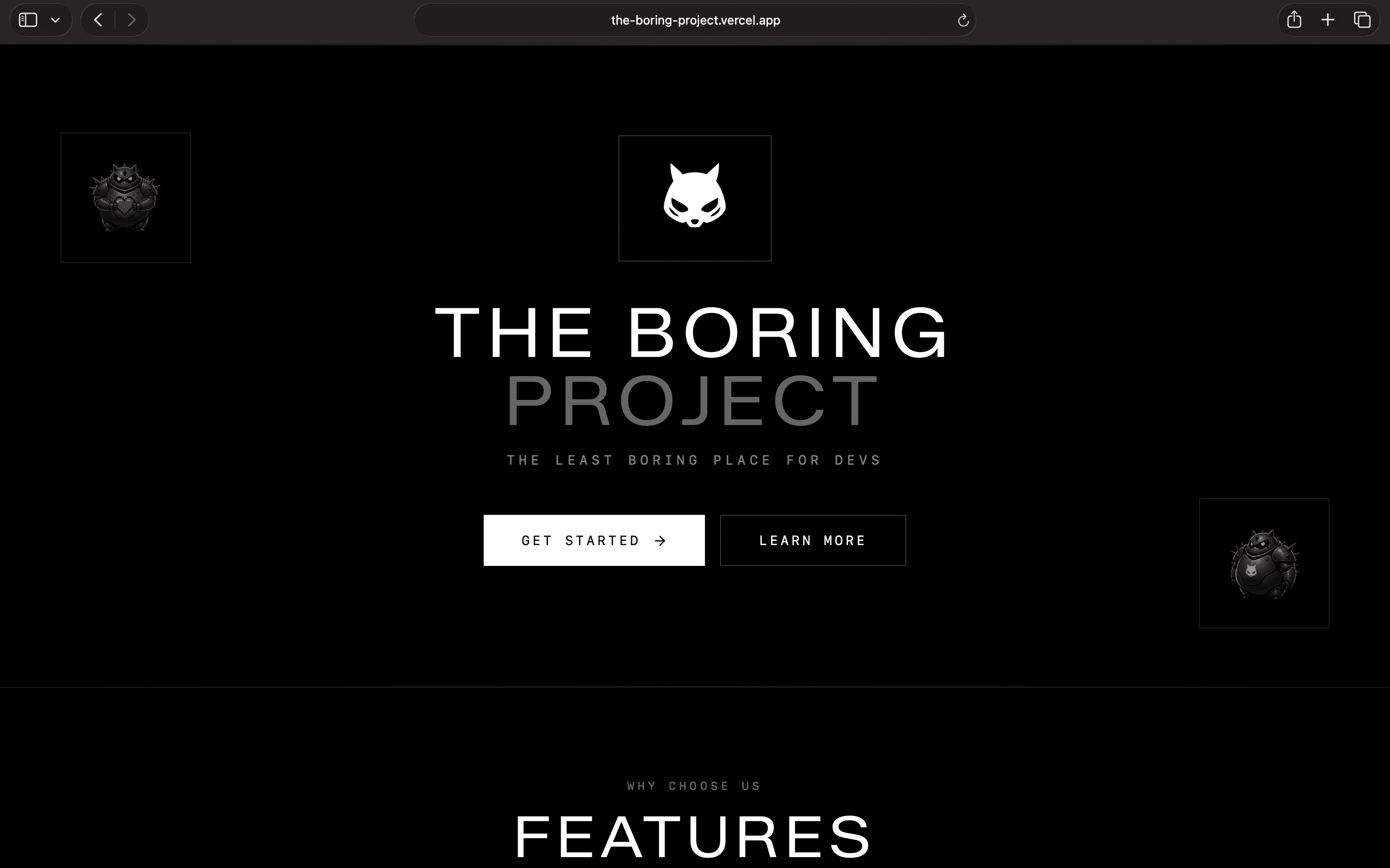
Step 1:Navigate to the main page and Click on the Login/Sign-up and create an account.
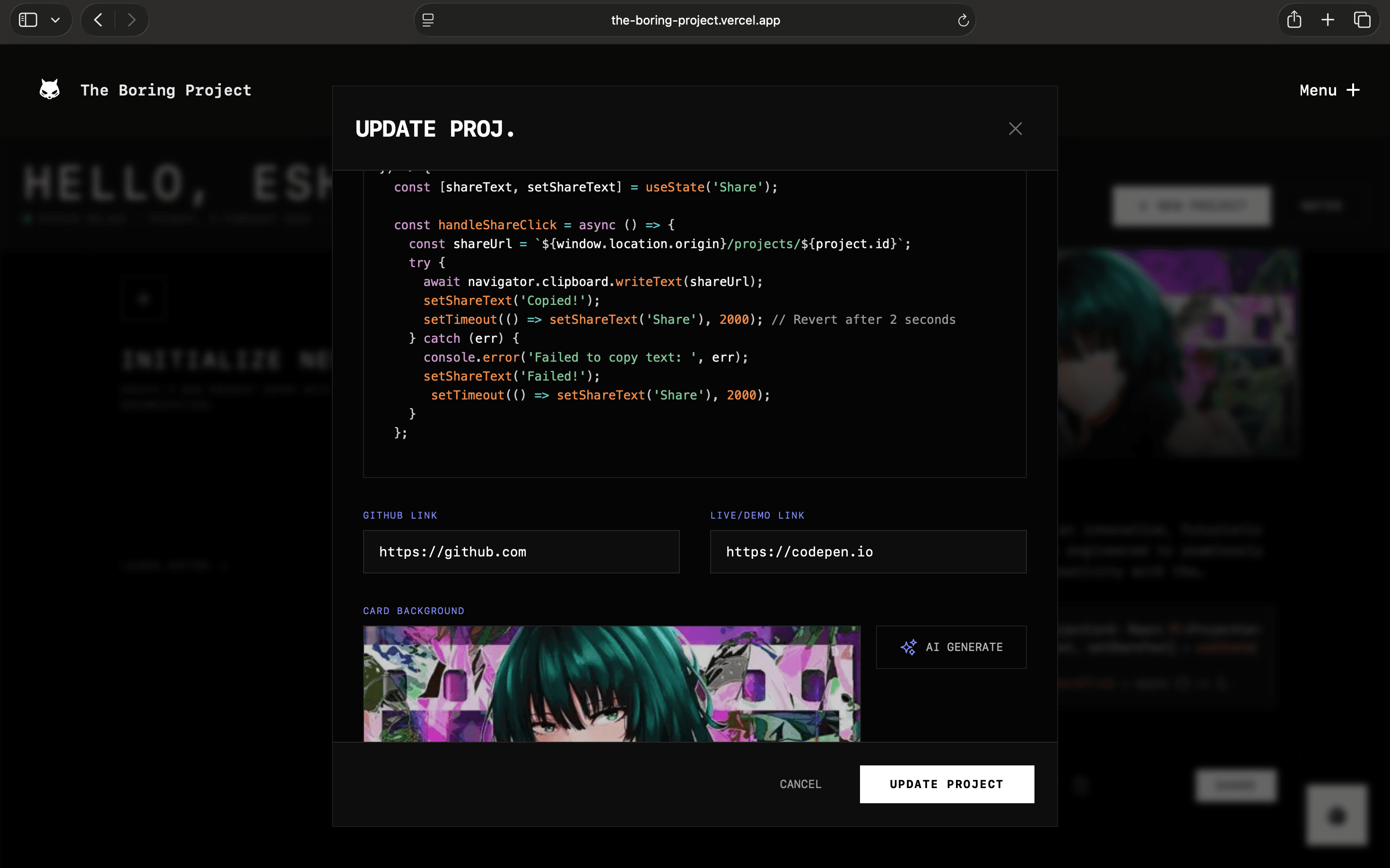
Step 2:After looking around the dashboard, click on the 'Create Project' button/ Dashboard -> Create Project, to create a new project.
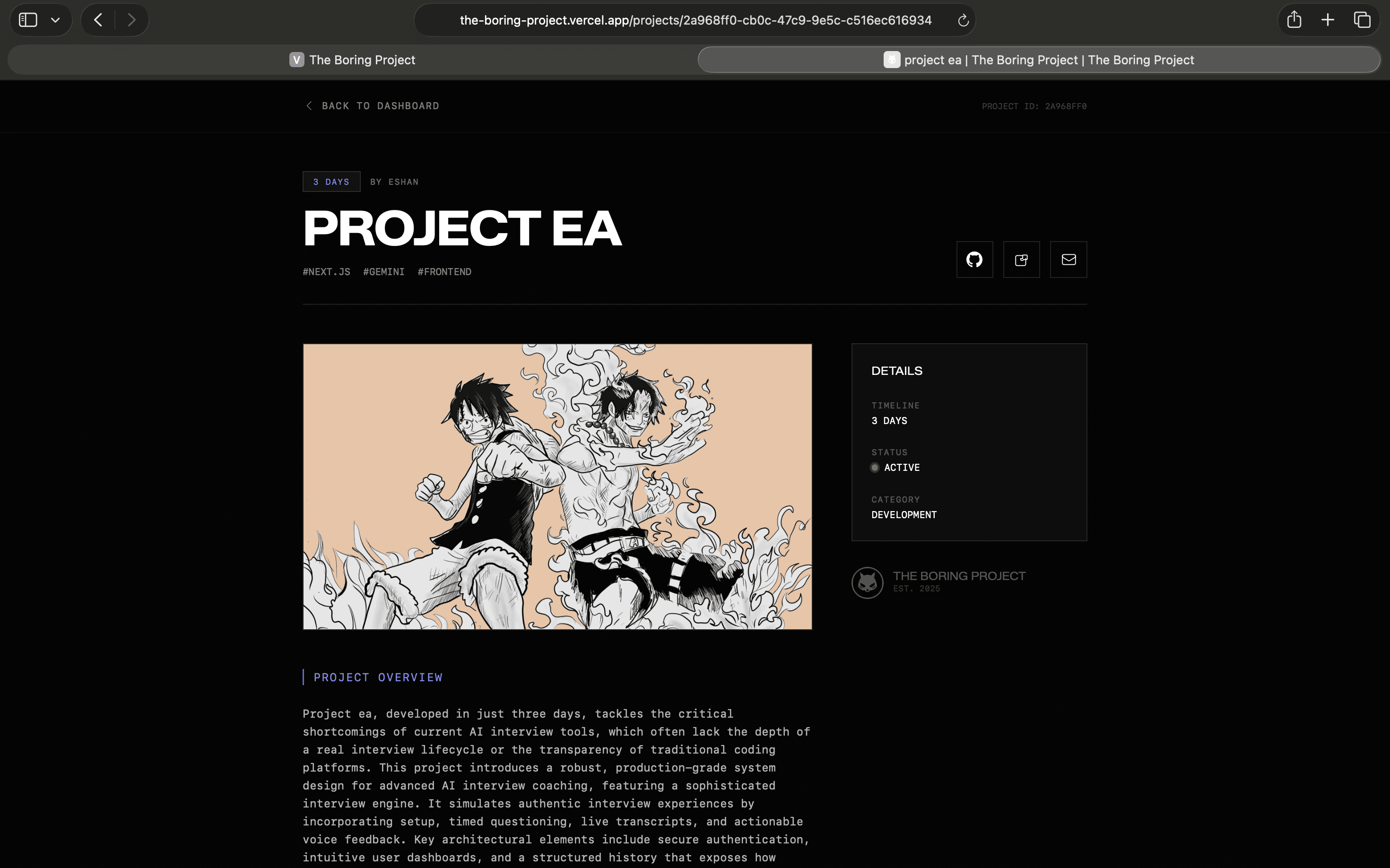
Step 3:After creating the card, click on the share button to share your project with the world.
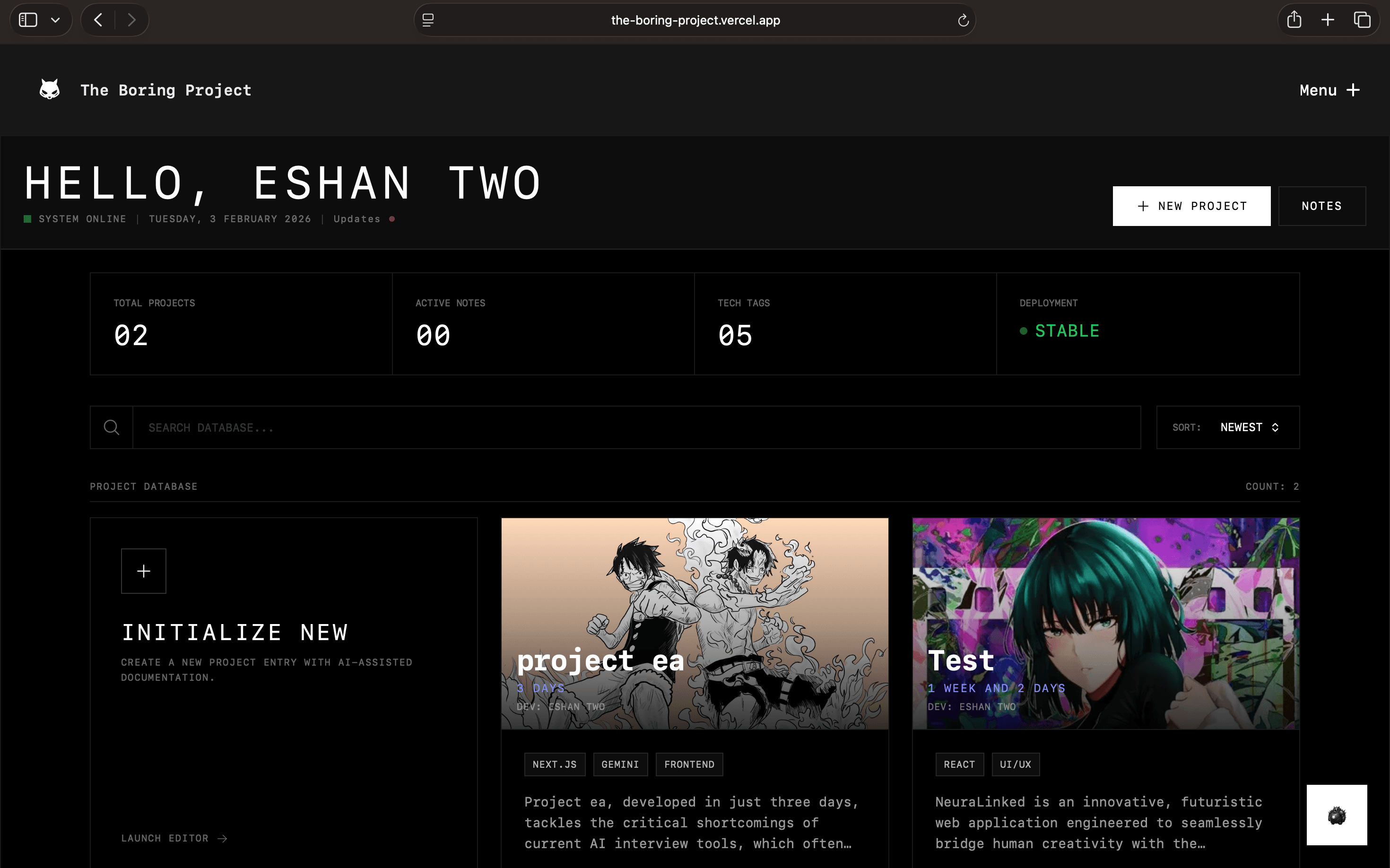
Step 4:Enjoy the Dev-friendly interactive dashboard.
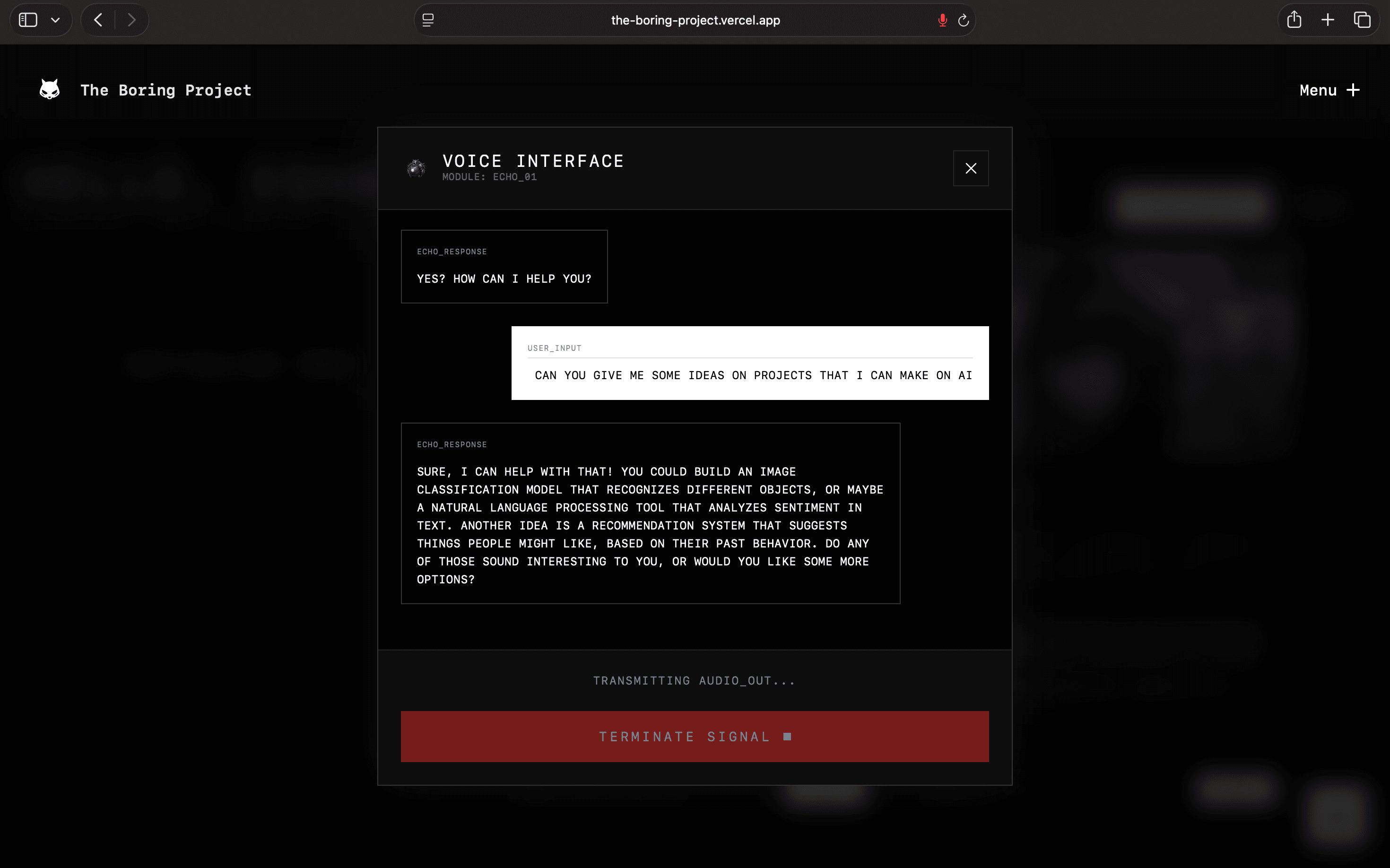
Step 5:Go to Dashboard -> AI Companion logo in the corner to access the AI interface and brainstorm with it.
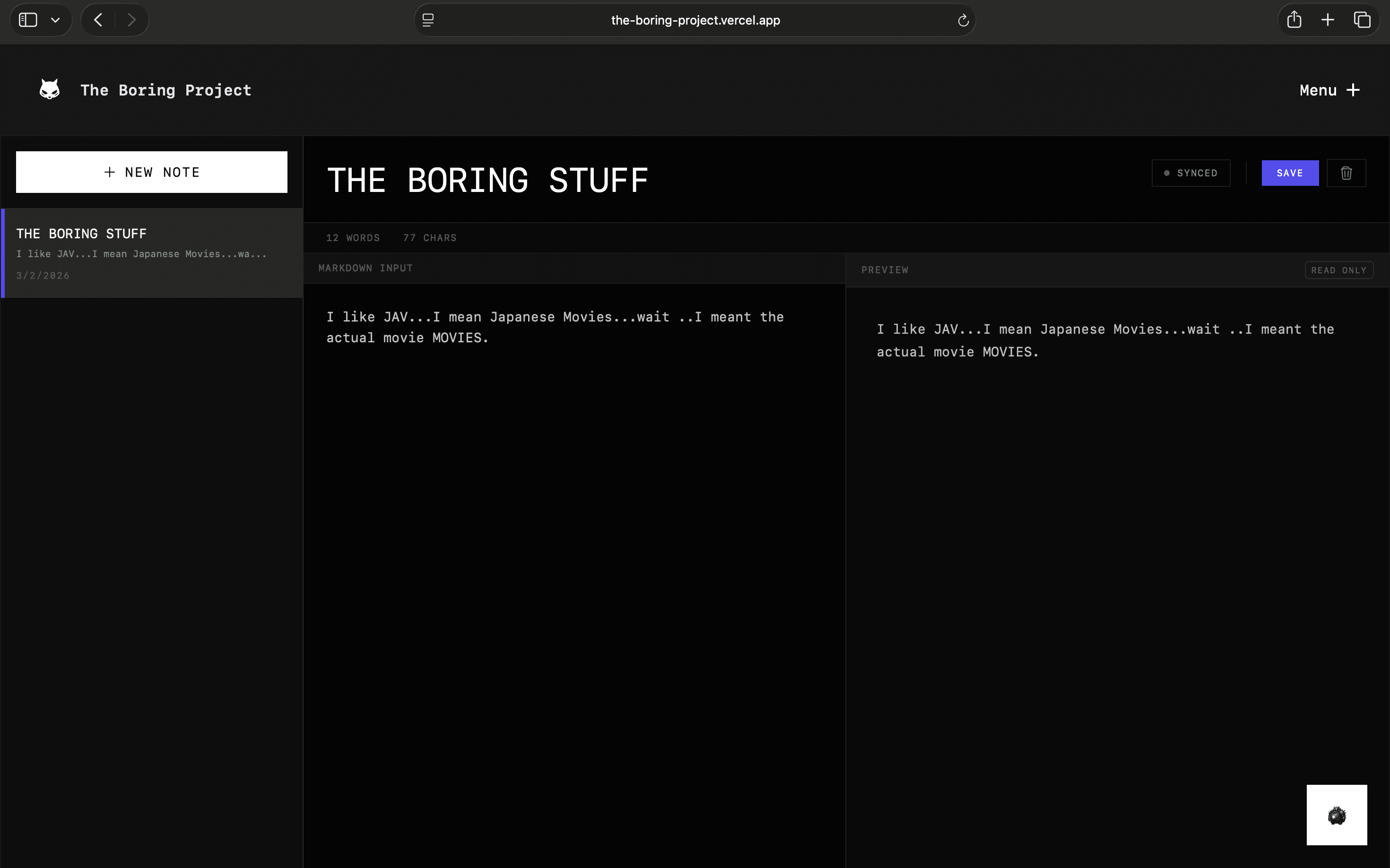
Step 6:Go to Dashboard -> Notes to add/view notes.
Next_Steps.exe
Short-term Enhancements
- Real-time Collaboration (Supabase Realtime)
- Advanced Search (PostgreSQL tsvector)
- Analytics Dashboard
- Export Features (PDF/PNG)
- Template System
Medium-term Improvements
- Team/Organization Support
- Version History
- Comments System
- Project Collections
- RESTful API Access
Long-term Vision
- AI Project Suggestions
- Integration Marketplace (GitHub/GitLab)
- Community Features
- Mobile App (React Native)
- Enterprise White-label Features